
Background
One of our clients is autistic and non-verbal, requiring specialised support to help with communication, daily living skills, social engagement, and independence. The goal of her care was to provide structured and compassionate support while encouraging confidence and personal development.
The Challenge
Due to communication barriers and support needs associated with Autism Spectrum Disorder, the client required carers who could understand and respond appropriately to her individual ways of communicating and interacting with the world. There was also a need to encourage independence and meaningful engagement in activities.
Our Intervention
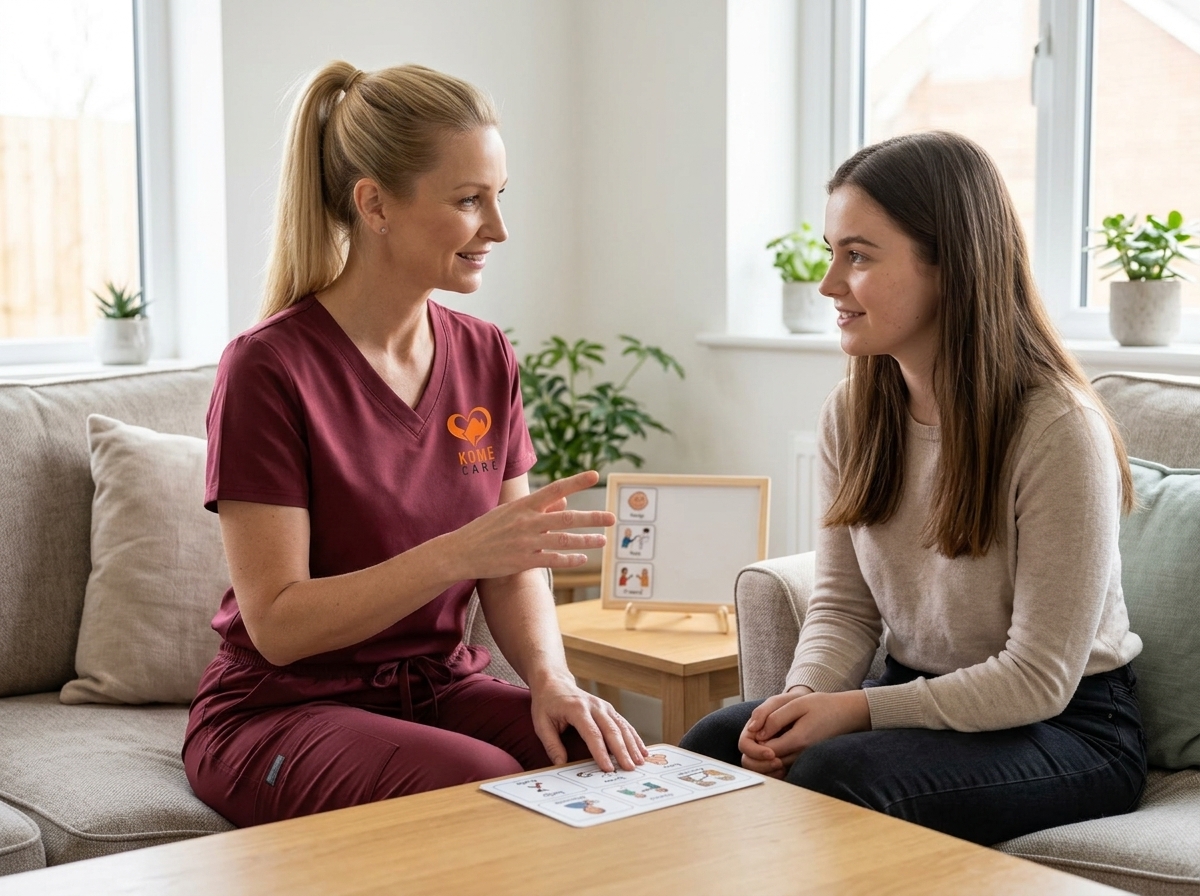
To provide the best possible support, we assigned a carer with Makaton training and experience in supporting individuals with additional communication needs. Our support included:
Using Makaton and other supportive communication approaches to improve understanding and interaction.
Encouraging and teaching independent living skills appropriate to the client’s abilities and goals.
Supporting the client during outings and community activities to promote confidence, social inclusion, and engagement.
Organising and participating in psychomotor activities to support coordination, movement, focus, and overall wellbeing.
Providing patient, consistent, and person-centred care tailored to the client’s unique needs and preferences.
Encouraging the client to make choices and participate actively in daily routines and activities.
The Outcome
As a result of the support provided:
The client became more engaged in activities and daily routines.
Communication and interaction improved through consistent use of supportive communication techniques.
The client gained confidence during outings and community participation.
Independent skills were encouraged and developed over time.
Structured psychomotor activities supported both physical and emotional wellbeing.
Impact
This case highlights the importance of specialised, person-centred care in supporting individuals with autism and communication difficulties. By combining trained support, encouragement, and meaningful activities, we were able to help improve the client’s confidence, independence, and quality of life while promoting inclusion and wellbeing.