
This Sunday, 25 October, the clocks go back.
For most of us, that means an extra hour in bed. Lovely.
For many older adults, and the families who worry about them, it also means something less lovely: darkness arriving before 5pm, colder evenings and longer stretches of the day spent indoors.
And while winter safety isn’t the most glamorous topic, it is one of the most useful. A few small changes now can make the months ahead safer, warmer and far less stressful.
Here’s what to look at this weekend.
Why Do Darker Evenings Matter?
We tend to think about winter risks in terms of ice and snow. But the quieter changes matter just as much.
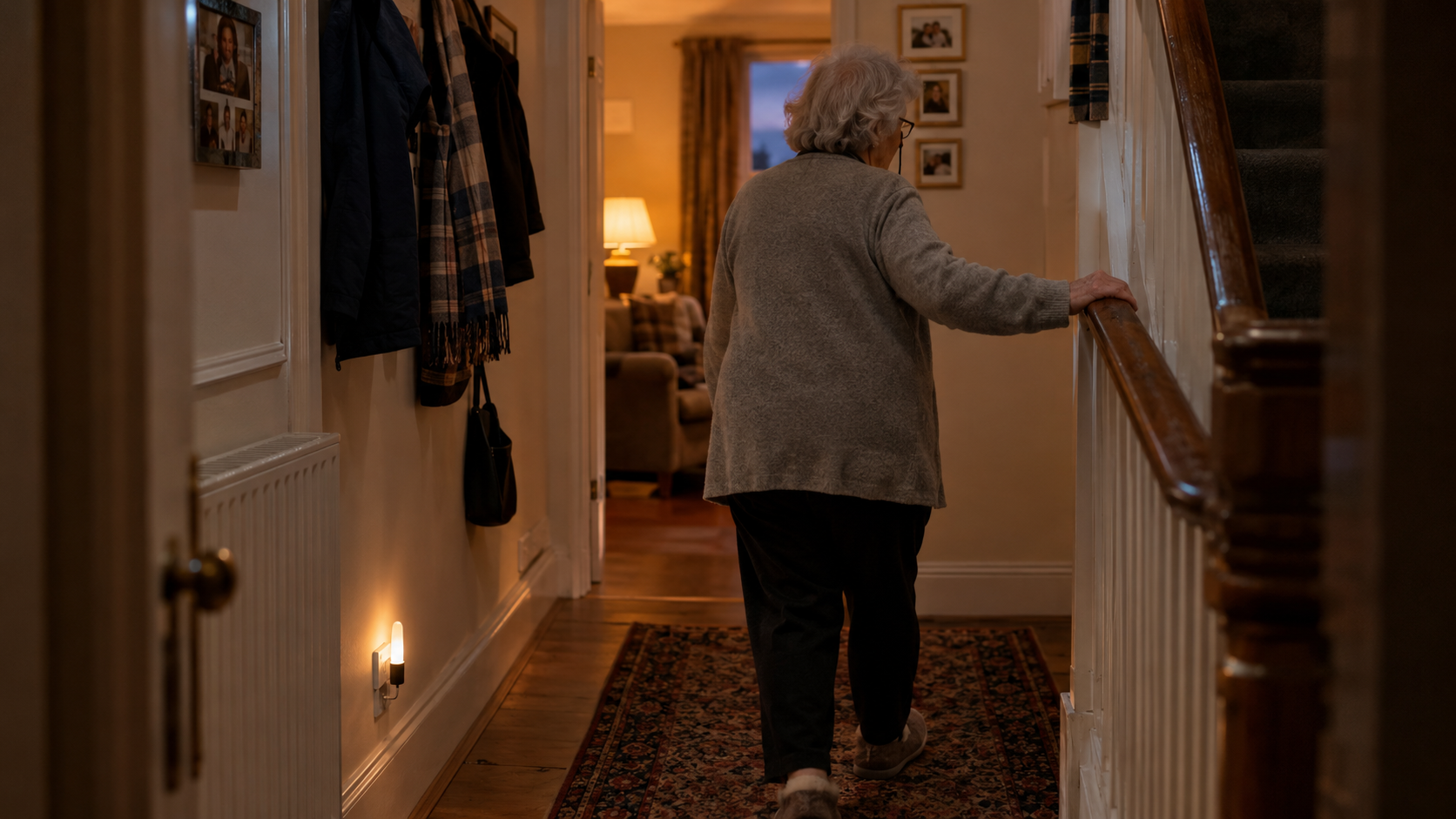
When it gets dark earlier, poor lighting becomes more noticeable. Hallways that felt fine in summer suddenly have shadows. Stairs are harder to judge. Garden paths are harder to see. And someone who is already a little unsteady, has changes in vision or takes medication that can cause dizziness may find everyday movement riskier than it was a month ago.
Falls are one of the biggest risks for older adults, and winter gives them a few extra opportunities.
Start With the Lighting
If you do one thing this weekend, walk through your loved one’s home after dark and look at it as if you’d never been there before.
Ask:
- Can they see the stairs clearly, top to bottom?
- Is the hallway properly lit, or just “mostly fine”?
- Is there a light switch within reach when they come through the front door?
- Is there enough light between the bedroom and the bathroom?
- Are any bulbs flickering, dim or quietly dead?
Simple fixes can make a real difference: brighter bulbs, plug-in night lights on the route to the bathroom, motion-sensor lights on stairs or landings, and switches that are easy to find in the dark.
And yes, that hallway bulb that’s been “about to be changed” since the last royal wedding is probably due its moment.
Night-Time Bathroom Trips
This is one of the most common times for a fall.
Someone wakes up, still sleepy, switches nothing on (“I know the way”) and heads to the bathroom. Add a loose slipper, a dressing gown cord or a slightly dizzy head, and the risk goes up.
It helps to:
- Keep a lamp or night light on within easy reach of the bed
- Clear the route between bed and bathroom of cables, rugs and clutter
- Encourage sitting on the edge of the bed for a moment before standing up
- Make sure slippers fit properly and have a good grip
It’s not about restricting independence. It’s about making the familiar route easier to do safely.
Watch the Floors, Doorsteps and Paths
Wet leaves, damp paths and icy patches can turn a short walk to the bin or the post box into something much trickier.
A few practical thoughts:
- Keep paths, steps and doorways clear of leaves and debris
- Check outdoor lighting still works
- Choose footwear with a good grip when going outside, rather than worn-out soles or loose slippers
- Consider whether routine outings, such as shopping, appointments or visits, can be planned during daylight hours where possible
- Keep a clear, dry mat inside the door so wet shoes don’t create a slippery hallway
If someone is nervous about going out in winter, don’t brush that aside. Fear of falling is real, and avoiding movement altogether can lead to weaker muscles and poorer balance. The aim is confidence with sensible precautions, not staying in until spring.
Keeping Warm Without Dreading the Bill
Cold homes can affect comfort, mobility and overall wellbeing. Many older adults feel the cold more, and some will turn the heating down because they’re worried about costs.
As a general guide, around 18°C is often suggested as a comfortable minimum for the rooms people spend most of their time in, though individual needs vary, and it’s sensible to follow advice from a GP or healthcare professional if there are particular health concerns.
Some simple things can help:
- Warm layers, rather than one thick jumper
- Hot drinks and regular hot meals
- Draught excluders on doors
- Keeping curtains closed after dark
- Using the rooms people actually live in, rather than heating the whole house
If heating costs are a worry, it’s worth asking the local council, Citizens Advice or Age UK what support may be available. Help can depend on circumstances and changes from time to time, so it’s best to check the current position directly.
Also keep an eye out for signs that someone has become too cold, such as unusual drowsiness, confusion, shivering or looking unwell. If you’re worried, seek medical advice. In an emergency, call 999.
Do the Clock-Change Safety Check
When the clocks change, many fire services remind people to test their smoke alarms. It’s a good habit to attach to the date.
This weekend, check:
- Smoke alarms are working (and batteries are fresh where needed)
- Carbon monoxide alarms are working, particularly if the home has gas appliances or a boiler
- Heaters, electric blankets and extension leads are in good condition and not overloaded
- There is a clear route to exit the home
They’re small jobs that take a few minutes, and they’re much easier before something goes wrong.
Medication and Winter
Winter can disrupt routines. Appointments get rearranged, pharmacies have different opening hours around holidays and illnesses become more common.
A few useful habits:
- Check that prescriptions are in good supply before holidays and bank holidays
- Keep an up-to-date medication list somewhere easy to find
- Ask the GP or pharmacist about winter vaccinations and whether your loved one is eligible
- Mention any new dizziness or unsteadiness to a healthcare professional, since it can sometimes be linked to medication or illness
As always, never stop or change prescribed medication without advice from a healthcare professional.
Eating, Drinking and Staying Hydrated
In colder weather, it’s easy to drink less because you don’t feel thirsty, and easy to rely on tea and toast because cooking feels like too much effort.
Help make good habits easier:
- Keep simple, nourishing food in the house, such as soup, tinned or frozen options and easy-to-heat meals
- Offer drinks regularly throughout the day, not just at mealtimes
- Check that the fridge and cupboards aren’t quietly emptying
If you notice weight loss, a poor appetite or food going out of date, that’s useful information to share with a GP or care provider.
The Other Winter Risk: Feeling Alone
Short days can make loneliness harder.
Visitors drop off when it’s dark and cold. Friends may be less keen to travel. Some people stop going out altogether in the evenings, and for some, the day becomes very quiet.
Small routines can help:
- A regular phone or video call at a set time
- Visits planned earlier in the day while it’s still light
- A neighbour or friend who agrees to pop in
- Community groups, lunch clubs or social activities that continue through winter
- Companionship visits from a carer
Nobody wants to spend the evening talking only to the television presenters.
What If Someone Falls?
Not every fall causes serious injury, but every fall deserves attention.
Seek urgent medical help if there is significant injury, severe pain, a suspected head injury, loss of consciousness, confusion or difficulty getting up.
Even if the person seems fine, ask why it happened. Was the lighting poor? Was it a loose rug? Were they dizzy? A fall can be a warning sign that something needs to change. (Our guide to why falls are one of the biggest risks for older adults has more on this.)
How Home Care Can Help in Winter
Home care isn’t just about practical tasks. It’s also about having a trained person who sees how someone is really managing day to day.
Depending on the person’s needs and agreed care plan, support might include:
- Help with personal care and getting ready for bed in the evening
- Support with moving around the home safely
- Meal preparation and reminders to eat and drink
- Medication support in line with the care plan
- Companionship and conversation
- Noticing changes, such as a cold house, a quieter mood or someone becoming less steady, and flagging them to the right people
For some families, a few visits each week is enough. For others, more frequent support is appropriate. The right level depends on the person, and it can be reviewed as needs change.
A Quick Checklist for This Weekend
- Walk through the home after dark and check the lighting
- Add night lights between bed and bathroom
- Clear rugs, cables and clutter
- Check footwear and entrance mats
- Test smoke and carbon monoxide alarms
- Check heating and how warm the main rooms feel
- Check prescriptions and the medication list
- Stock up on easy meals and drinks
- Agree a regular check-in routine
Final Thoughts
The clocks changing is a good reminder to look at winter safety before the colder weather arrives, rather than after something goes wrong.
You don’t need to overhaul an entire home or take over someone’s life. A few sensible changes, a bit of planning and the right support can help older adults stay safe, warm, connected and independent through the months ahead.
At Kome Care, our nurse-led team provides person-centred home care across London, supporting people with personal care, mobility, medication routines, companionship and more complex needs. If you’re worried about a loved one this winter, we’re happy to talk through what support might help.
Talk to our team or book a Nurse-Led Care Review.
This article is for general information and is not medical advice. If you are concerned about someone’s health, contact their GP or NHS 111. In an emergency, call 999.
